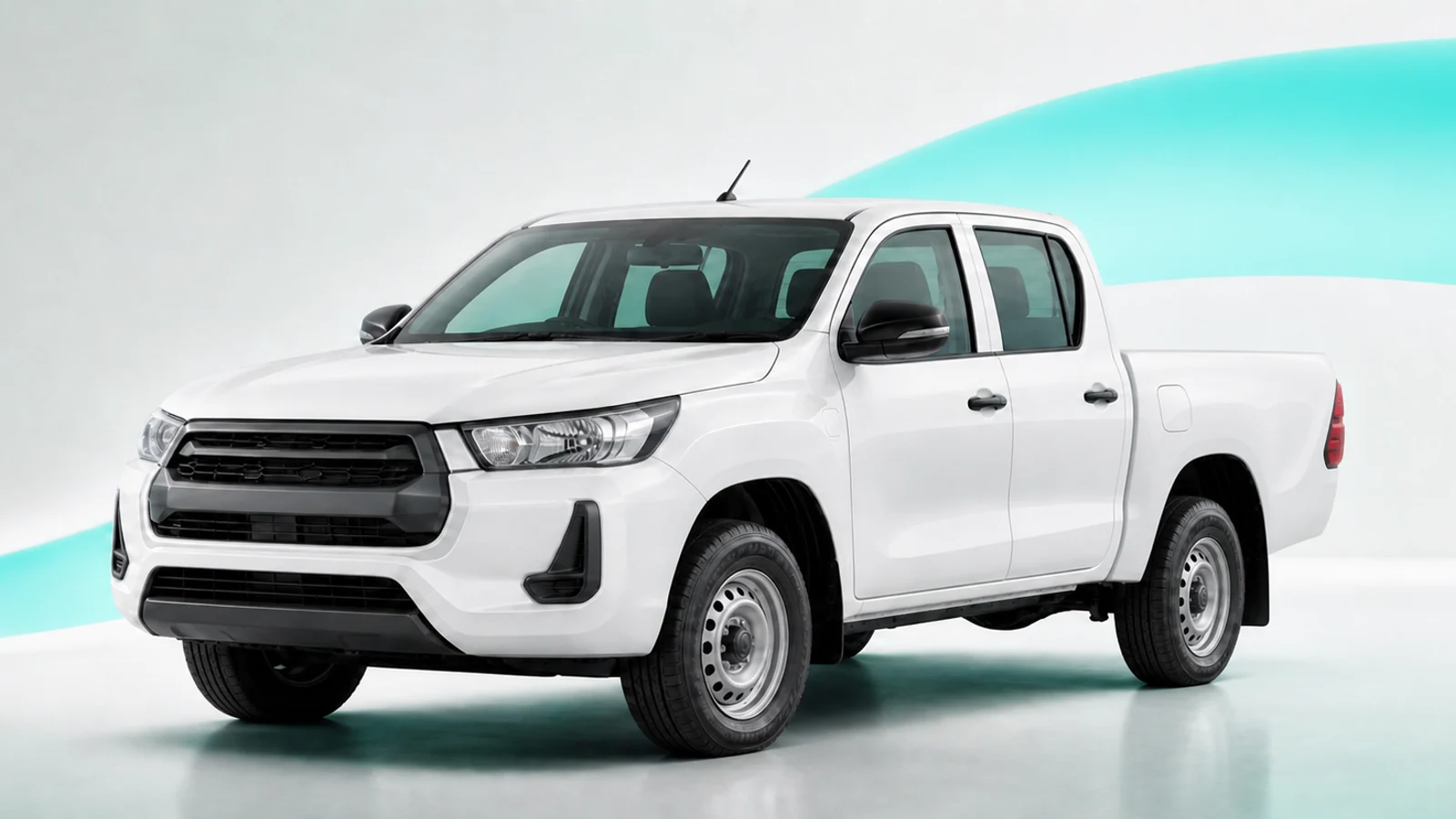
Electrical, plumbing, construction and civil contractors that need strong resale, national dealer support and proven site durability.
HiLux is commonly funded through commercial structures where the ute is used primarily for business. Borrowers choose between ownership-first structures and cash-flow-first structures depending on tax position, replacement cycle and monthly budget.
Electrical contractors, plumbers, builders, civil subcontractors, regional service fleets.
Running Costs and Ownership Planning
Finance decisions should include whole-of-life ownership cost, not just monthly repayment.
Fuel economy
7.8-8.9L/100km typical mixed commercial driving
Servicing
$550-$900 per service interval
Registration
$1100-$1500/year by state
Insurance and maintenance allowance
Varies by postcode, driver profile and usage intensity
Estimated annual ownership cost
$10,800-$15,900 per year (fuel, rego, insurance, scheduled servicing)
Best Finance Structures for HiLux
Structure
Best for
Commercial notes
Chattel Mortgage
Ownership and tax planning
Common for GST-registered businesses claiming GST credits and depreciation.
Finance Lease
Cash-flow management
Suitable where lease rentals and planned upgrade cycles are preferred.
Operating Lease
Fleet turnover and lower upfront burden
Can suit businesses focused on usage and replacement cadence over ownership.
Business Vehicle Loan
Straightforward repayment structures
Useful where simpler structures and predictable repayment schedules are needed.
Balloon payments, deposits, trade-ins and refinance pathways are tailored per lender and vehicle profile.
Eligibility and Documents
Borrower type: sole trader, company, trust or partnership with ABN
Business use evidence and asset suitability for the selected finance structure
Credit conduct review, including explanations for prior adverse events where applicable
Supporting evidence: ID, ABN details, bank statements, BAS/tax records (low-doc or full-doc route)
Asset checks: age, condition, sale type (dealer/private) and valuation if required
Real Borrower Scenarios
Scenario 1
Electrician with 2-year ABN buying first near-new HiLux dual cab with a 10% deposit and 30% balloon to preserve working capital.
Scenario 2
Builder purchasing a dealer demonstrator through a company structure with trade-in equity used as deposit.
Scenario 3
Regional contractor refinancing an existing HiLux to release cash for tool trailers and fit-out upgrades.
FAQs
Yes. New ABN borrowers are considered by specialist lenders, typically with stronger supporting bank statements, deposit contribution, and clear business-use evidence.
Yes. Private sales are usually eligible where the vehicle passes valuation and compliance checks, and sale documentation is complete.
In most cases yes. Approved accessories such as canopies, toolboxes, tow kits and signage can often be financed when included in the supplier invoice.
Yes. A balloon can lower monthly repayments and improve cash flow. The end-of-term lump sum must align with lender residual guidelines.
Yes. Discretionary and unit trusts are commonly financed when trustee details, trust deed evidence and servicing strength meet policy.
Yes. Many businesses refinance to lower repayments, extend term, or consolidate business debt once equity and repayment history are established.