
Written and reviewed by David Blackman
Specialist Asset & Equipment Finance Broker • 20+ years banking and fleet experience
Reviewed 26 August 2026General information only
Compare chattel mortgage, finance lease and operating lease by ownership, cash flow and end-of-term outcome. New to the category? Start with what asset finance is and how it works.
Each structure has different ownership, tax, and cash flow outcomes. Choose the one that matches your business goals.
You own the asset from settlement while the lender takes security over it. Eligible GST-registered businesses may be able to claim GST credits, and the business-use portion of interest and depreciation may be deductible. Confirm eligibility and timing with a registered tax agent.
Also known as: commercial goods loan, business loan — goods
The lender owns the asset and leases it to you. Eligible business-use lease costs may be deductible, subject to tax rules and the transaction. End-of-term options and the residual should be checked in the written terms.
Effectively a long-term rental where the financier retains ownership. It may suit businesses that replace assets regularly, but price, service inclusions, usage limits and return conditions must be compared.
See how each structure differs across ownership, tax treatment, GST, and suitability.
| Feature | Chattel Mortgage | Finance Lease | Operating Lease |
|---|---|---|---|
| Ownership | Immediate | At end of term | Return to lessor |
| GST Treatment | Eligible upfront credit may be available | Eligible credits may arise with payments | Eligible credits may arise with payments |
| Tax Depreciation | Business may claim if eligible | Lessor generally claims | Lessor generally claims |
| Interest or Payments | Eligible business-use interest may be deductible | Eligible business-use payments may be deductible | Eligible business-use payments may be deductible |
| Balloon / Residual | Optional | Mandatory residual | Built-in |
| On Balance Sheet | Yes (asset + liability) | Yes (AASB 16) | Yes (AASB 16) |
| Best For | GST-registered, want ownership | Cash flow optimisation | Short-term use, fleet rotation |
Rates, terms, and structures vary by asset type. Explore the guide for your industry.
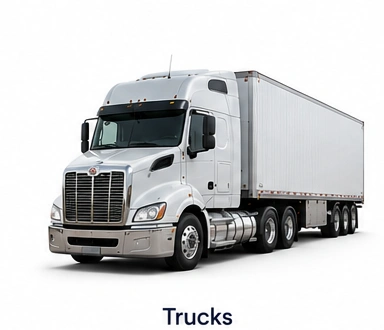
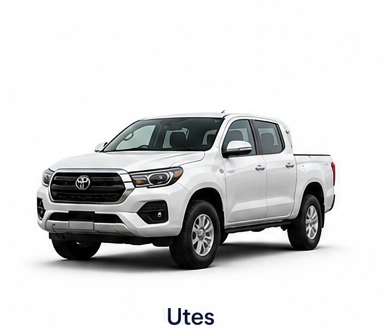
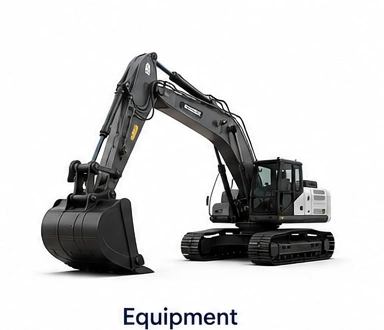



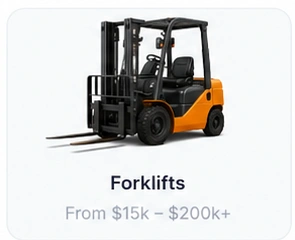





Use the page that matches the decision you are making. Eligibility, pricing and documents depend on the complete transaction; none of these guides is an approval promise.
Applicant, entity, asset, seller, evidence, privacy and settlement checks.
Align sole trader, company, trust or partnership ownership before applying.
Compare payout costs, security release, asset value and total future repayments.
Verify seller, title, PPSR, payment details and settlement sequence.
Ownership, GST and tax questions, balloon risk and alternatives.
Start with the structure, security and end-of-term outcome.
Enter your asset details and our calculator will compare all three structures side-by-side — with tax estimates, repayment breakdowns, and eligibility scoring.
Launch the Calculator