Written by the Asset Finance Australia editorial team
Finance content checked 9 August 2026. Model specifications and pricing must be confirmed with the Australian supplier.
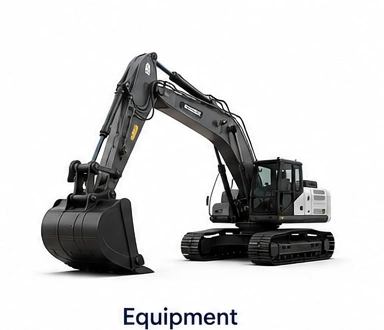
Earthmoving equipment is the backbone of Australian civil construction, mining, and land development. Asset Finance Australia helps operators, contractors, and companies access competitive finance for CAT, Komatsu, Kubota, Bobcat, and JCB machinery — with application evidence requirements explained.
Earthmoving Equipment finance is commonly used across the following sectors:
- Civil Construction
- Mining
- Land Development
- Quarrying
- Agriculture
Whether purchasing one asset or a fleet, compare total installed cost, utilisation, working-capital impact and end-of-term obligations. Lender assessment timing depends on the applicant, documents, supplier and asset checks.
Finance Structures Available
- ✓Chattel Mortgage — Business ownership with lender security; eligible GST, interest and depreciation treatment depends on circumstances.
- ✓Finance Lease — Financier ownership during the term; check residual, tax and accounting treatment.
- ✓Operating Lease — End-of-term flexibility may be available; check usage, return and accounting obligations.
- ✓Rental / Hire Purchase — Fixed-cost rental with ownership at end of term. Simple budgeting.
Buyer Checks Before Applying
Finance approval does not establish whether an asset is operationally suitable. Before applying, reconcile the supplier quote with the exact model year, variant, attachments, delivery, installation and GST treatment. For mobile plant, check transport dimensions and mass, licensing, registration and site requirements. For powered equipment, compare capacity and utilisation with fuel or energy use, service intervals and expected downtime.
For used earthmoving equipment, obtain the serial number, hour-meter or usage record, service history, condition report and PPSR search. Confirm that the proposed term does not extend beyond the asset’s realistic remaining economic life. Where the transaction includes accessories or installation, identify which items retain resale value because a lender may not attribute the full invoice amount to the underlying security.
Model at least three cash-flow cases: expected utilisation, a downside case with lower revenue or higher downtime, and the required repayment if a balloon or residual is removed. Then compare total repayments, fees and end-of-term obligations rather than selecting a structure solely on the lowest periodic repayment.
Retain the final supplier quote, approval conditions and signed contract together so future payout, refinance or disposal decisions can be checked against the original assumptions.